by Larry Alexander tutorwithlarry.com
The History of the Divine Nine
The Divine Nine has been a part of Black life for over a hundred years. It is made up of nine Black Greek-letter organizations that form the National Pan-Hellenic Council, also known as the NPHC. These organizations are important because they help people pursue education, develop leadership skills, and become involved in their communities.
The Divine Nine organizations have existed since the early 1900s. They have helped Black communities advance through scholarships, mentorship, and opportunities for civic involvement. The National Pan-Hellenic Council was founded on May 10, 1930, at Howard University. Its goal was to help the Divine Nine organizations work together and support one another (“About Us”).
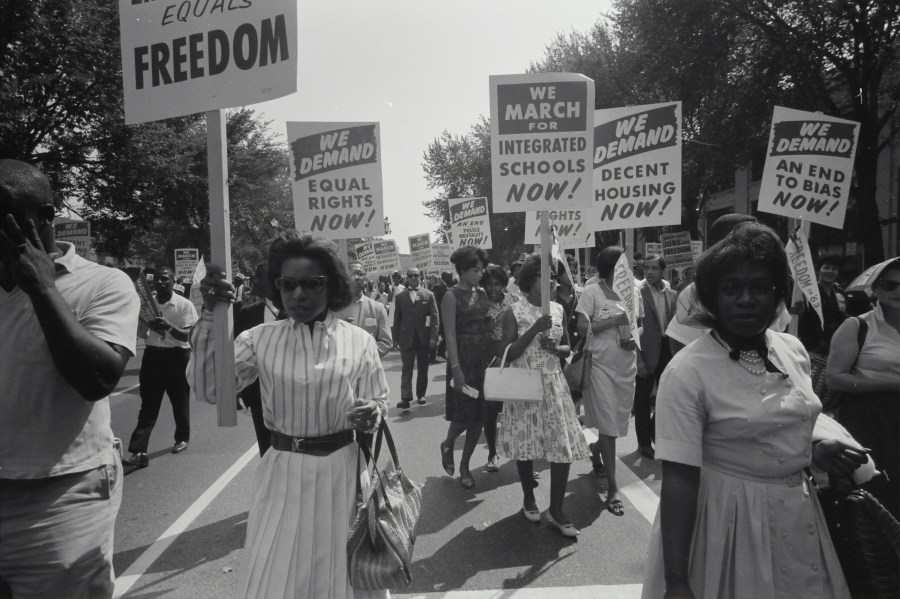
Over time, the NPHC and its member organizations became closely tied to the Civil Rights Movement. They worked to help Black Americans gain access to education, voting rights, and economic opportunities (“National Pan-Hellenic Council” 1). Today, the impact of the Divine Nine can still be seen on college campuses, in workplaces, in politics, and in neighborhood organizations across the United States and beyond.
More Than a Social Organization
People sometimes think being part of the Divine Nine is only about social activities, stepping, strolling, and campus visibility. For many members, however, it is much deeper than that.
Membership often represents a commitment to service, leadership, scholarship, and personal growth. The Divine Nine organizations frequently become lifelong support systems for their members. Many people describe their fraternity or sorority as family because the relationships continue well after college graduation.
The National Pan-Hellenic Council promotes unity and cooperation among its member organizations through leadership development, community service, and educational programming (“About Us”). You can see this mission reflected in scholarship programs, mentorship initiatives, and outreach efforts across communities nationwide.
Leadership Development
One reason many students are interested in joining the Divine Nine is the opportunity to build leadership skills. Members organize events, oversee service projects, lead committees, and strengthen their communication and problem-solving abilities.
These experiences help students both during college and later in professional life. The leadership training gained through Divine Nine organizations often carries over into careers in education, business, law, politics, healthcare, and public service (“National Pan-Hellenic Council” 2).
The Divine Nine also has a long history of activism and civic engagement. Members have participated in voter education campaigns, scholarship drives, social justice initiatives, and community improvement projects for generations (“About Us”).
Academic Excellence and Scholarship
Academic achievement is another major focus of the Divine Nine. Many chapters require members to maintain strong GPAs and provide mentoring or study support to help students succeed.
The organizations also sponsor scholarships, leadership conferences, and educational programs designed to encourage academic and professional excellence (“National Pan-Hellenic Council” 3).
For many students, being surrounded by motivated peers creates an environment that encourages discipline, accountability, and achievement. Scholarship is not treated as optional. It is part of the foundation of the Divine Nine tradition.
Service to the Community
Community service is central to what the Divine Nine organizations do. Members regularly organize food drives, school supply giveaways, health awareness programs, mentoring efforts, and voter registration campaigns.
For many members, service is not something done occasionally. It is viewed as a lifelong responsibility and a core part of the organization’s values.
Historically, these organizations also played important roles during segregation and the Jim Crow era by creating leadership opportunities and support systems for Black students and professionals when many institutions excluded them (“About Us”).
Understanding Membership
Students interested in joining a Divine Nine organization should take time to research the history and mission of each group carefully. Attending official interest meetings, maintaining strong grades, participating in community service, and demonstrating genuine character are all important steps.
Membership intake processes vary between organizations, and many traditions and rituals remain private. Those traditions are considered important parts of each organization’s identity and history.
Rather than focusing on stereotypes or social media trends, prospective members are usually encouraged to focus on scholarship, leadership, service, and personal growth.
The Nine Organizations of the Divine Nine
The Divine Nine is made up of these nine historically Black Greek-letter organizations, each with its own traditions, values, and motto:
- Alpha Phi Alpha Fraternity, Inc. — “First of All, Servants of All, We Shall Transcend All.”
- Alpha Kappa Alpha Sorority, Inc. — “By Culture and By Merit.”
- Kappa Alpha Psi Fraternity, Inc. — “Achievement in Every Field of Human Endeavor.”
- Omega Psi Phi Fraternity, Inc. — “Friendship is Essential to the Soul.”
- Delta Sigma Theta Sorority, Inc. — “Intelligence is the Torch of Wisdom.”
- Phi Beta Sigma Fraternity, Inc. — “Culture for Service and Service for Humanity.”
- Zeta Phi Beta Sorority, Inc. — “A Community-Conscious, Action-Oriented Organization.”
- Sigma Gamma Rho Sorority, Inc. — “Greater Service, Greater Progress.”
- Iota Phi Theta Fraternity, Inc. — “Building a Tradition, Not Resting Upon One!”
Each organization has its own customs, traditions, and history, but all nine share a commitment to scholarship, leadership, service, and making a positive impact within Black communities and beyond.
Why the Divine Nine Still Matters Today
The Divine Nine remains important today because it provides opportunities for Black students and professionals to grow as leaders, connect with their communities, and make meaningful contributions to society.
For many members, being part of the Divine Nine is not simply about wearing letters or attending events. It is about belonging to a community built on shared values, service, achievement, and leadership.
These organizations have influenced generations of students and professionals, and their impact continues today. The Divine Nine represents more than a group of organizations. It represents a tradition of community, empowerment, and collective progress.
People interested in learning more about the Divine Nine can visit official NPHC websites, attend informational events, or speak with current members to better understand the organizations and their missions.
Works Cited
“About Us.” National Pan-Hellenic Council, University of Houston, http://www.uh.edu/cfsl/nphc/about/. Accessed 21 May 2026.
“National Pan-Hellenic Council.” Fraternity & Sorority Life, University of Central Florida, fsl.sswb.ucf.edu/national-pan-hellenic/. Accessed 21 May 2026.
“National Pan-Hellenic Council.” Wikipedia, Wikimedia Foundation, en.wikipedia.org/wiki/National_Pan-Hellenic_Council. Accessed 21 May 2026.
About the Author
Larry Alexander is a professional English tutor, former college English professor, and lifelong hip-hop enthusiast. He has nine years of teaching experience at Prairie State College and is a member of Alpha Phi Alpha Fraternity, Inc. He offers tutoring in essay writing, personal narrative, business English, grammar, and proofreading.
He believes in the transformative power of hip-hop as literature, as education, and as a vehicle for self-knowledge. Visit tutorwithlarry.com to learn more or book a session.

